
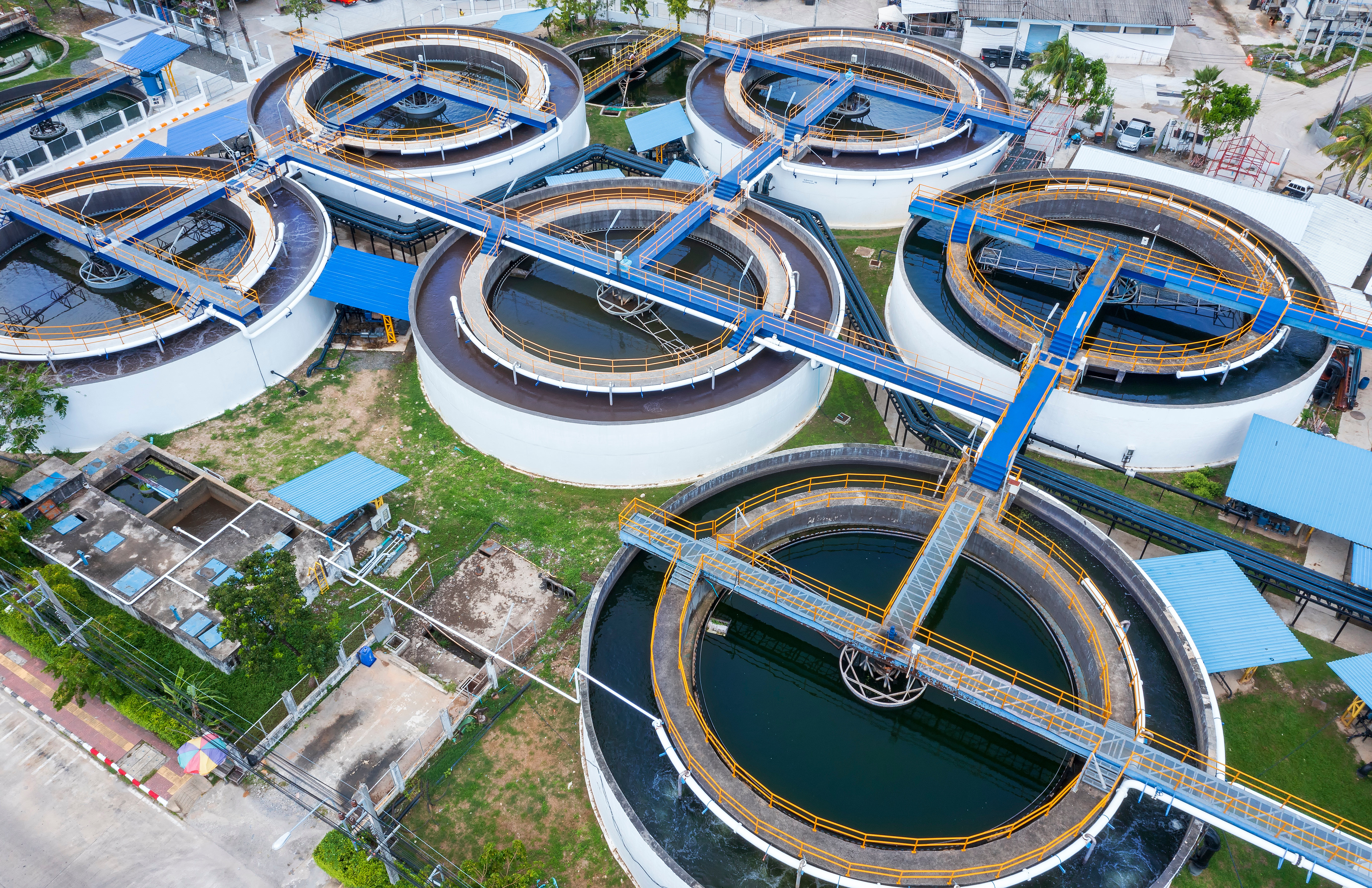
Industrial liquid level measurement helps operators monitor and control fluids in tanks, reservoirs, and process systems. The right technology depends on whether the application requires single-point detection, multiple sensing points, continuous measurement, local visual indication, or reliable monitoring under challenging operating conditions.
Barksdale provides engineered level-control and monitoring instrumentation for demanding applications. The portfolio includes multi-point and single-point level switches, bypass level indicators, tank level transmitters, electronic dual level switches, submersible pressure transducers, and level probes.
Why Is Industrial Liquid Level Measurement Challenging?
Industries that monitor liquid levels in hydraulic reservoirs and industrial storage tanks can encounter extreme temperatures, pressure fluctuations, and corrosive environments. These conditions can affect the accuracy and reliability of standard level-measurement instrumentation.
Additional challenges include:
- Maintaining accurate detection across multiple liquid levels
- Supporting complex or customized applications
- Reaching instruments installed in difficult-to-access locations
- Reducing maintenance-related downtime and operational costs
- Selecting equipment that can withstand environmental stress
Reliable level measurement is especially important when an incorrect liquid level can affect process control, system efficiency, equipment protection, or safe operation.
What Are the Main Types of Liquid Level Measurement Equipment?
Barksdale level-measurement technologies serve different monitoring and control needs. Understanding the differences helps narrow the appropriate solution for an application.
1. Multi-Point and Single-Point Level Switches
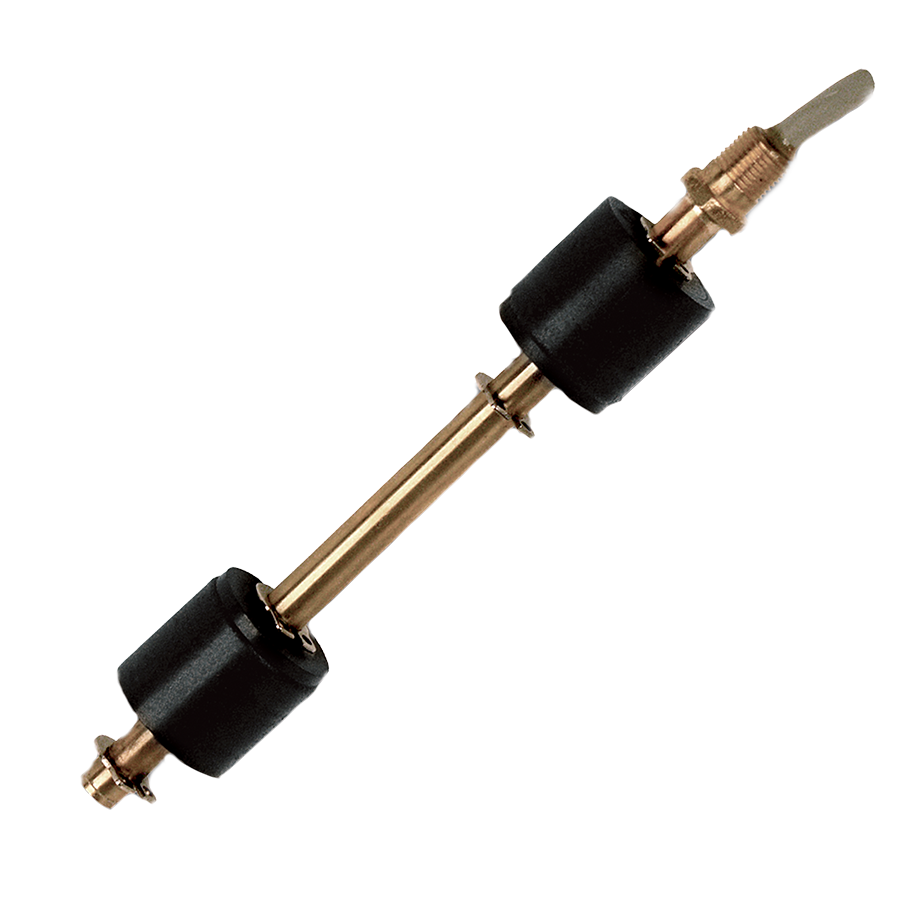 UNS 1000 Multi-Point Level Switch | A single-point level switch detects whether liquid has reached one specific position. It is useful when a system only needs to identify a high level, low level, or another predetermined point. A multi-point level switch provides several sensing points in one instrument, allowing the system to detect multiple liquid-level positions. Barksdale examples include the UNS 1000 Multi-Point Level Switch and the UNS-VA/SB Bilge Guard Level Switch. The UNS 1000 is available in lengths up to 40 inches (approximately 1016 mm) and can be configured with up to five independent switch points, each with its own float. Rated for a maximum operating pressure of 220 psi (15 bar), it is commonly used in sump tanks, hydraulic power units, storage tanks, solvent recovery systems, lube oil console systems, and marine applications, and can optionally include an integral temperature switch or PT100 sensor.
|
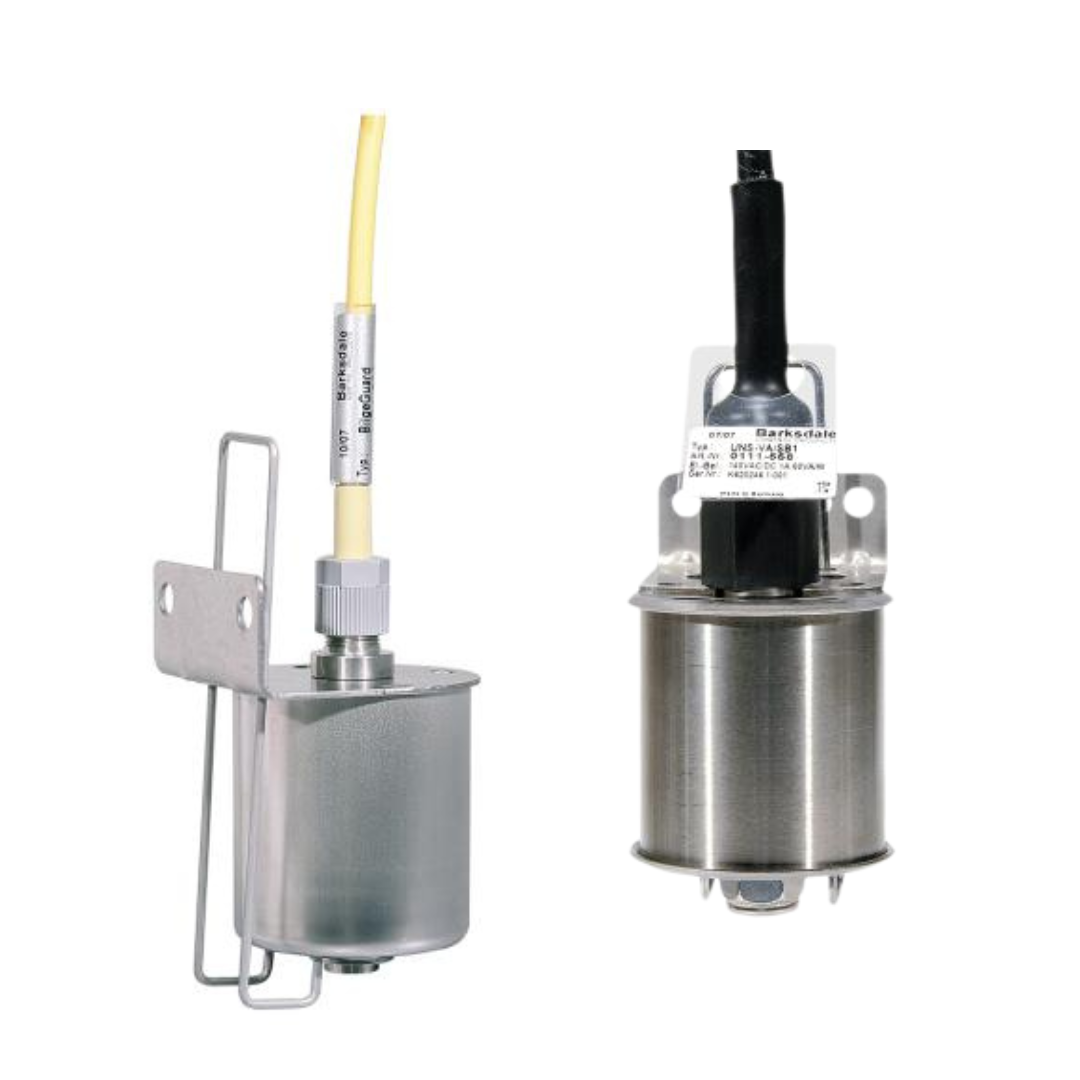 UNS-VA/SB Bilge Guard Level Switch | The UNS-VA/SB supports level monitoring in marine bilge applications where dependable point-level detection is required. Like other switches in the UNS family, it is built to withstand the shock, vibration, and environmental demands of shipboard installations, helping crews maintain safe bilge water levels and comply with marine operating requirements. Its compact, single-point float design makes it a straightforward retrofit for vessels that need a reliable high-level bilge alarm without the complexity of a multi-point system. |
2. Bypass Level Indicators
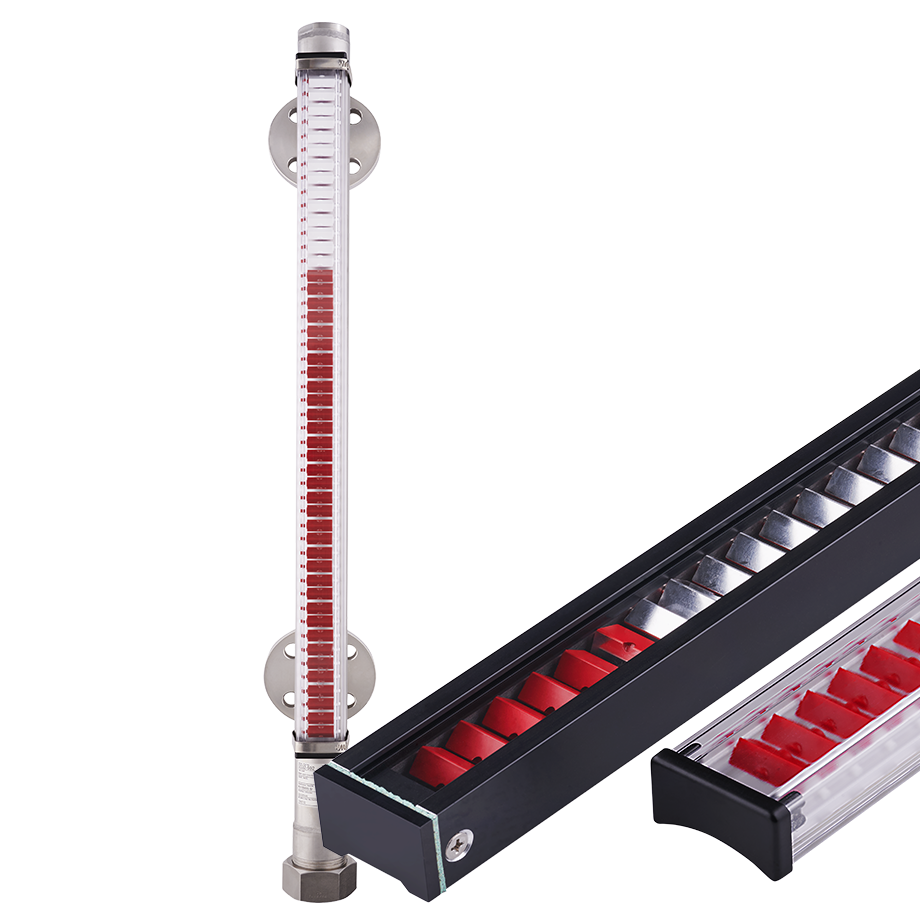 Barksdale LevelSite Bypass Level Indicator | A bypass level indicator provides visible liquid-level measurement outside the primary vessel. Barksdale LevelSite bypass level indicators are designed for industrial applications in the energy, chemical, water, steel, and marine sectors. The instrument uses a magnetic coupling principle: a float with a permanent magnet tracks the liquid level inside a sealed chamber, driving an external rotating flag assembly for clear, high-visibility indication without glass or windows that can be damaged. Available with a 316 stainless steel or titanium float and optional limit switches or a 4 to 20 mA transmitter output, LevelSite is used across marine, oil and gas, industrial, OEM, HVAC, power generation, and water and wastewater applications, providing direct visual indication without exposing the process fluid to leaks or spills. The Alloy LevelSite Level Indicator is engineered for durable, low-maintenance, long-term level monitoring. Bypass indication can also support efforts to prevent overflow and dry-run conditions. |
3. Level Tank Transmitters
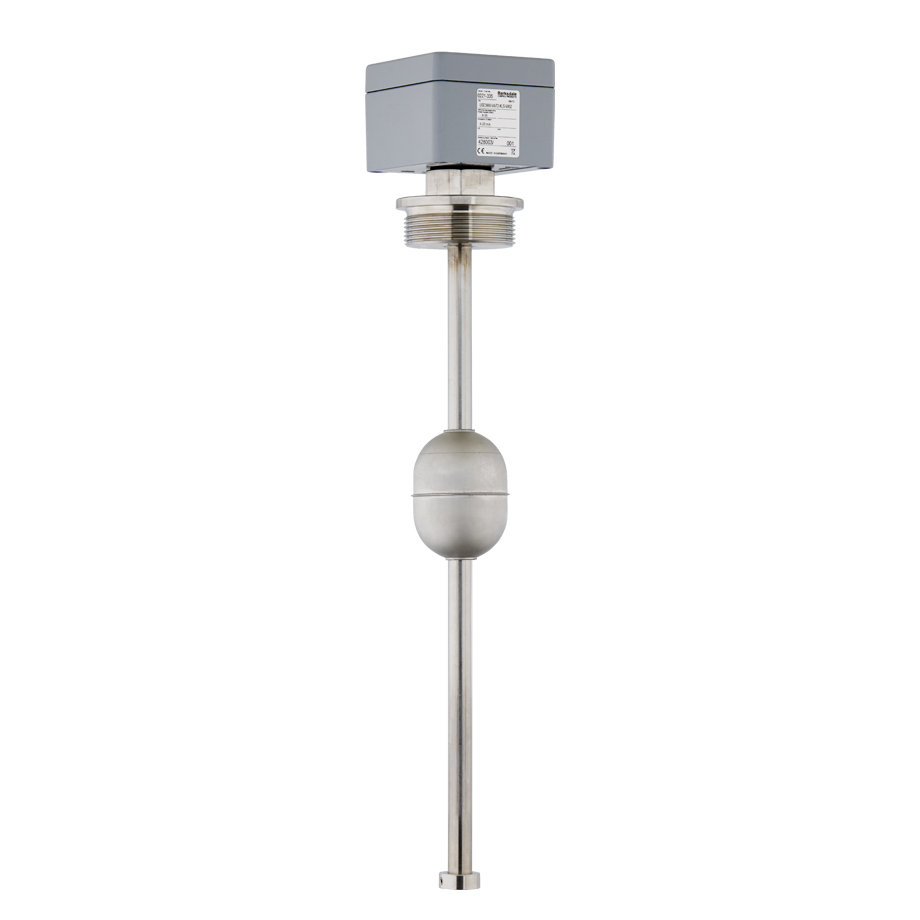 USE3000 Level Tank Transmitter | A level transmitter continuously measures fluid level and converts the measurement into an electrical signal for control and monitoring. Unlike a point-level switch, a transmitter provides continuing information about changes in liquid level. Barksdale level tank transmitters are designed for general-purpose and hazardous-area applications identified in the source literature as ATEX EX ia. The USE3000 offers lengths up to 3000 mm in stainless steel or brass, with a standard temperature range of -10°C to +90°C, extendable to -50°C to +150°C with the HT option. The USE6200 Level Tank Transmitters, extends to lengths up to 6000 mm in stainless-steel construction and carries ATEX Ex ia certification for hazardous-area use. |
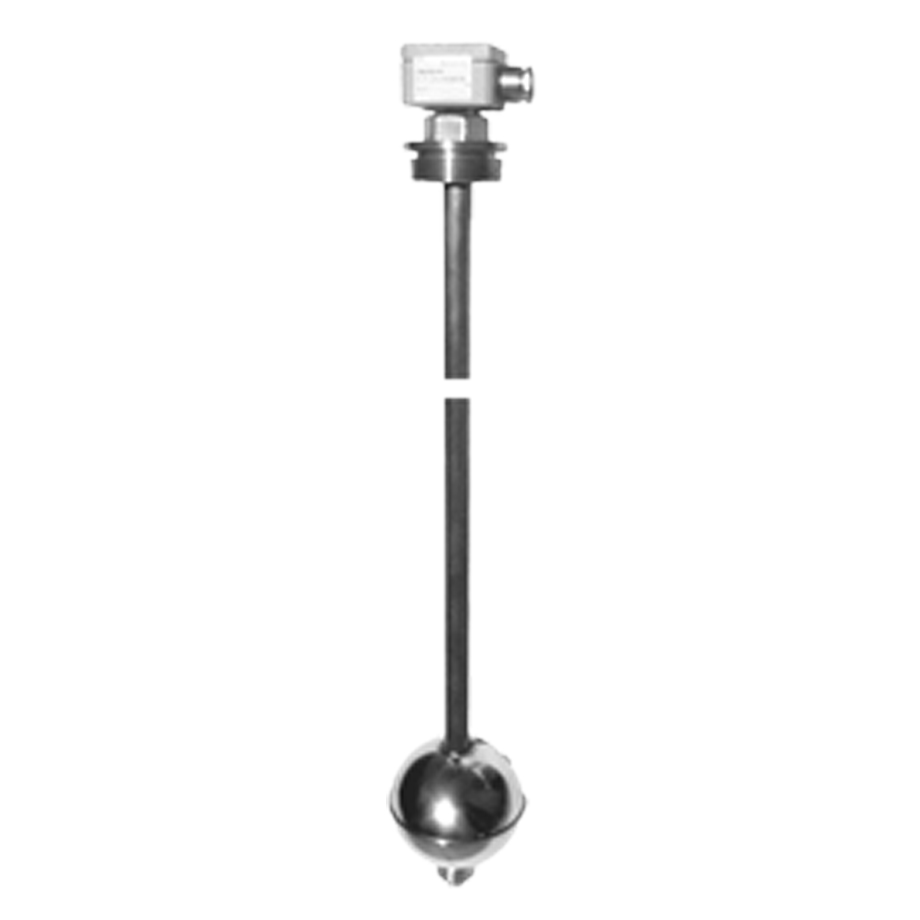 USE6200 Level Tank Transmitter | The appropriate transmitter depends on the process media, operating conditions, required output, connection type, wetted materials, and applicable certification requirements. These transmitters are engineered for high repeatability and are commonly used for continuous level measurement in chemical storage applications, helping prevent tank overfilling while meeting strict explosion-proof requirements. |
4. Electronic Dual Level Switches
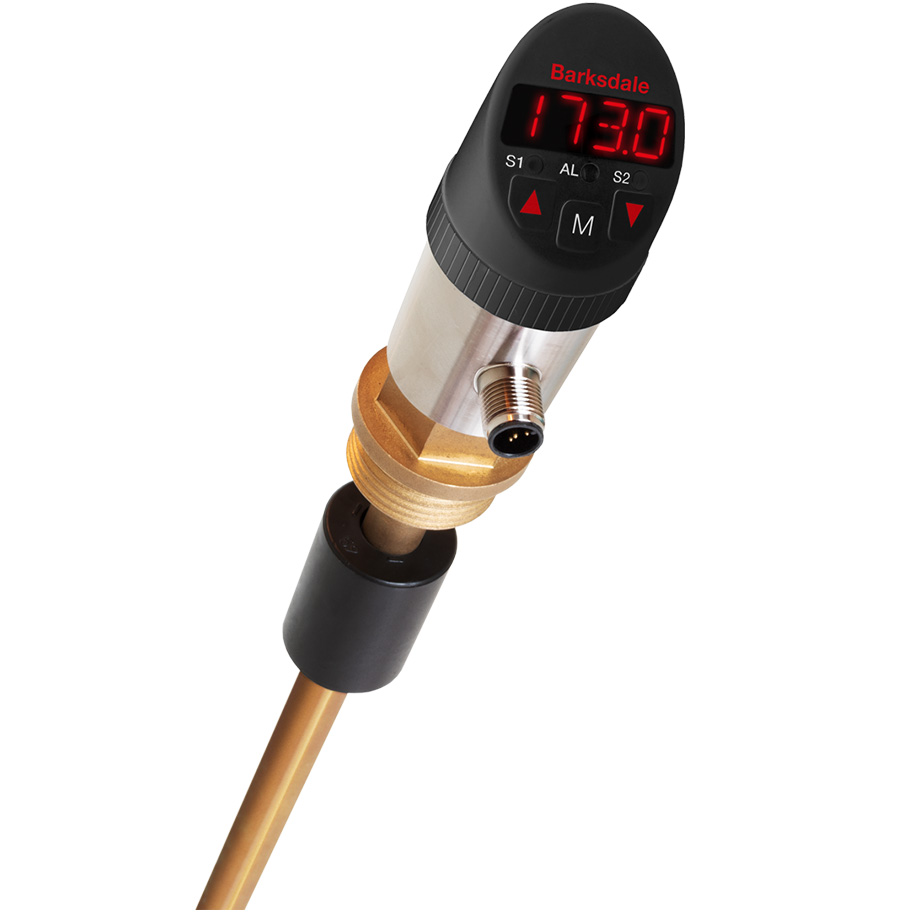 BLS2000 Electronic Level Switch | Barksdale Electronic Dual Level Switches detect high and low liquid levels using float technology. These multifunction instruments can operate as a two-point level switch, a level transmitter, and a visual indicator configured through push-buttons. The BLS3000 and BLS2000 Electronic Level Switches are suitable for low- and high-density media in applications such as hydraulic power-unit reservoirs, lubrication systems, and water-treatment skids. The BLS2000 offers a resolution of 8 or 12 mm, a total length from 250 mm to 3000 mm, up to two switch points, and an IO-Link communication interface for integration into modern automation systems. The BLS3000 improves on this with a finer 5 mm resolution, a rugged 316Ti stainless-steel wetted stem, and a rotatable 320-degree LED display, making it well suited for applications such as PFAS treatment systems, desalination, reverse osmosis, and filtration skids where precise, redundant level control is essential. |
5. Submersible Pressure Transducers and Level Probes
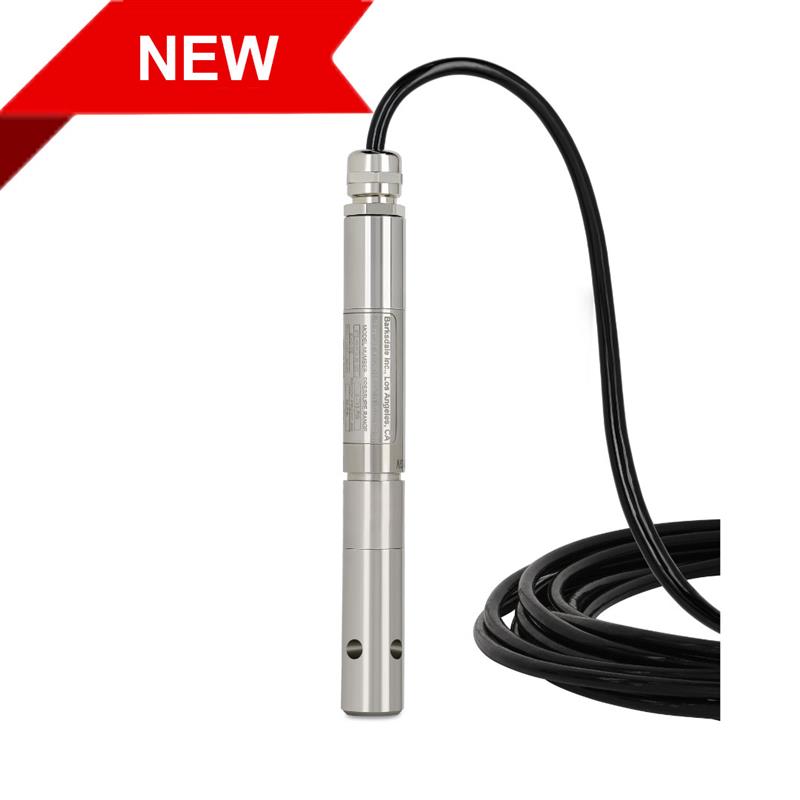 Submersible Level Transducer | Submersible level transducers and probes provide continuous liquid-level measurement in environments where the sensing instrument operates within or in direct contact with the measured media. Barksdale level probes and submersible level transducers are designed for challenging environments, including sewer pumping stations, seawater ballast tanks, and groundwater monitoring. The portfolio includes the Submersible Level Transducer, built from 316L stainless steel with a narrow 0.75-inch diameter that fits inside standard 1-inch schedule 80 and schedule 120 PVC wells, and the BLP1 Level Probe for marine applications. It offers a 4 to 20 mA loop-powered output, an IP68 rating, and accuracy of ±0.25% full scale, with a removable nose cone and field-replaceable sensor that help reduce long-term maintenance costs in groundwater wells, lift stations, and wastewater tanks. |
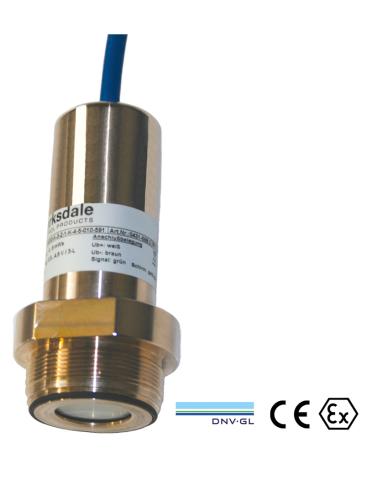 BLP1 Level Probe | The BLP1 provides another option for continuous liquid-level measurement where media compatibility and environmental exposure are important selection factors. Built with a CuNiFe copper-nickel housing for excellent seawater resistance, the BLP1 carries DNV-GL marine approval and meets IEC 60770 accuracy standards of 0.25% (or 0.1% as an option). It can be installed as a submersible probe with cable, a stainless-steel mounting pipe, or a mounting bracket, and it is commonly used to monitor ballast containers, fuel and oil tanks, service and waste-water tanks, and shipboard draft-measuring systems. |
Installing a Submersible Level Transducer?
Review the installation manual before installing, operating, or maintaining the product.
Explore Related Level Measurement Products
Compare Barksdale level switches, transmitters, indicators, transducers, and probes to identify the technology that best fits your application.
Review Product Specifications
Need detailed technical information? Review available data sheets for specifications, outputs, materials, connections, operating conditions, and product options.
Where Are Industrial Level Measurement Solutions Used?
The appropriate instrument depends on the media, installation environment, and measurement objective. Applications identified in our literature include:
- Groundwater monitoring
- Marine systems
- Hydraulic reservoirs
- Industrial storage tanks
- Water-treatment skids
- Seawater ballast tanks
- Sewer pumping stations
- Lubrication systems
- Hydraulic power-unit reservoirs
The literature also identifies energy, chemical, water, steel, and marine as industries that use liquid-level indication and monitoring solutions.
How Do You Select a Liquid Level Measurement Device?
Start by defining what the system must detect or measure.
Choose a point-level switch when:
- One high or low liquid level must be detected.
- The application requires a simple switching point.
- Continuous measurement is not necessary.
Choose a multi-point level switch when:
- Several liquid levels must be detected.
- Multiple sensing points are required in one system.
- The application needs more than a basic high- or low-level signal.
Choose a level transmitter when:
- The process requires continuous level measurement.
- The measurement must be converted into an electrical signal.
- Operators need to monitor changing tank levels.
Choose a bypass level indicator when:
- Local visual indication is required.
- External indication alongside the vessel is preferred.
- Durability and low-maintenance operation are important.
Choose a submersible transducer or probe when:
- The instrument will operate in a submerged or challenging environment.
- Continuous measurement is needed in groundwater, wastewater, or marine applications.
- Corrosion and environmental exposure are key selection factors.
Final selection should also consider the process media, operating temperature, pressure, required output, connection type, wetted materials, and applicable certification requirements.
Can Level Measurement Products Be Customized?
Barksdale can modify standard products and configured options to match specific project requirements. Customization capabilities identified in the source literature include:
- Custom outputs
- Custom floats, lengths, and orientation
- Extended pressure and temperature capabilities
- Process connections
- Product certification
- Design and validation for specific media compatibility
- Wetted materials, including the float and stem
Barksdale also offers a 3D product configurator to help users identify and configure a control or monitoring solution.
Configure a Solution for Your Application
Define the materials, process connection, output, float configuration, operating conditions, and other requirements for your level measurement application.
Frequently Asked Questions
What is industrial liquid level measurement?
Industrial liquid level measurement is the process of detecting or continuously measuring the position of liquid in a tank, reservoir, or process system.
What is the difference between a level switch and a level transmitter?
A level switch detects whether liquid has reached a predefined point. A level transmitter provides continuous measurement and converts the liquid level into an electrical signal for monitoring or control.
What is a multi-point level switch?
A multi-point level switch uses multiple sensing points to detect several liquid-level positions within a system.
What does a bypass level indicator do?
A bypass level indicator gives operators a visible indication of liquid level outside the primary vessel.
Where are submersible level transducers used?
Barksdale literature identifies sewer pumping stations, seawater ballast tanks, and groundwater monitoring as application examples.
Can level measurement instruments be customized?
Yes. Available modifications can include outputs, float dimensions and orientation, process connections, certifications, wetted materials, and extended pressure or temperature capabilities.
Find the Right Level Measurement Solution
Selecting a liquid level measurement instrument begins with understanding the application: what must be measured, whether measurement is continuous or point-based, the process media, and the surrounding operating conditions.
Barksdale provides level switches, transmitters, indicators, submersible transducers, and probes for industrial and marine applications. Standard products can also be modified to address specific output, material, connection, certification, and operating-condition requirements.
Need Help Selecting an Industrial Liquid Level Measurement Solution?
Explore Barksdale's level measurement portfolio or speak with Barksdale about a solution based on your application requirements.